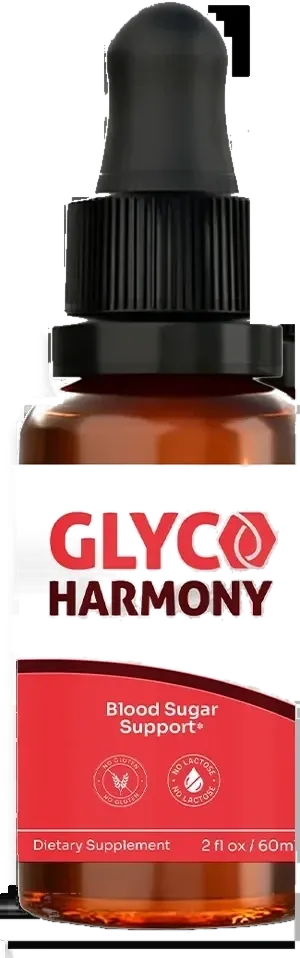
Choosing a Blood Sugar Supplement: A Glyco Harmony Buyer's Checklist
Quick answerScore eight things before you buy: full amounts, studied doses, honest claims, lab testing for hidden drugs, an authorized seller, a written refund policy, the price per day and medicine interactions. Scored honestly, Glyco Harmony earns 20 of 40. It does well on seller, refunds and price, and loses points on its blend and missing lab report.
What should a blood sugar supplement checklist cover?
A good blood sugar supplement tells you what is inside, in amounts you can check against research. It stays away from disease claims and comes from a seller you can reach. Eight points cover all of that, for drops, capsules or gummies.
Score each point from 1 to 5, for 40 in total. Later on, we run Glyco Harmony through the same test and show every score, including the low ones.
1. Full amounts
Each ingredient named with its own amount per serving.
2. Studied doses
Amounts close to what human trials used.
3. Honest claims
No promise to treat, cure or prevent diabetes.
4. Lab testing
An outside lab report tied to a lot number.
5. Authorized seller
A named seller with a phone and an address.
6. Refund policy
A set window, a way to claim and a returns address.
7. Price per day
The checkout total divided by days of use.
8. Medicine interactions
Ingredients you can check with a pharmacist.
Point 1: Does the label show full amounts or a proprietary blend?
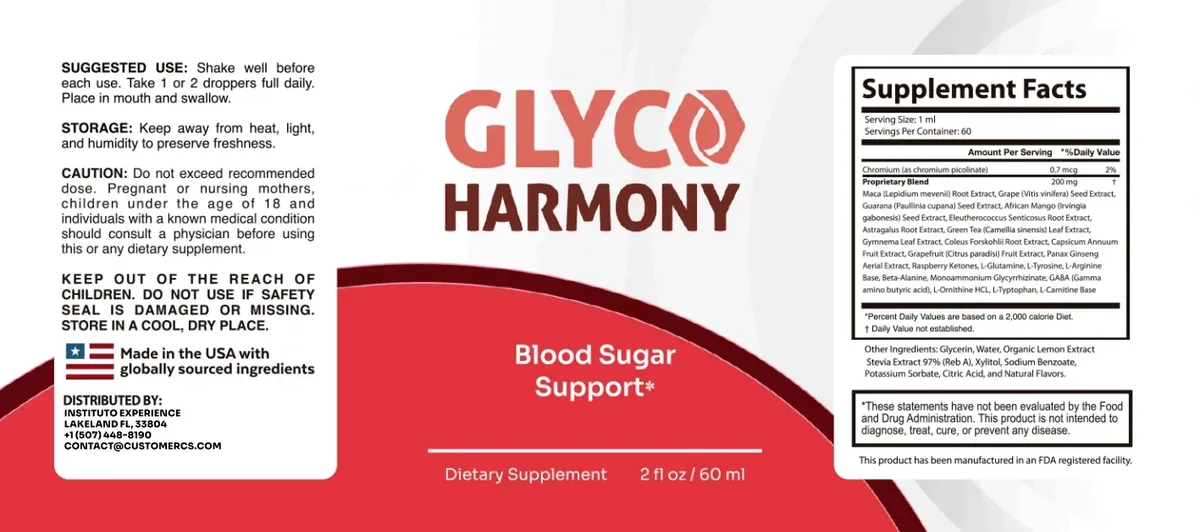
Start with the Supplement Facts panel. A fully disclosed label gives each ingredient its own amount. A proprietary blend gives one total weight for a group.
Federal rules allow a blend to show only its total, as long as the ingredients appear in order of weight (21 CFR 101.36). The first is the largest, and the last is the smallest. The exact amounts stay private.
Give 5 points when every ingredient has an amount. Take points away as more of the formula sits inside a blend.
Point 2: Are the doses close to what studies used?
Next, compare each amount with the dose used in human trials. A label can name a studied herb and still hold a tiny fraction of the tested amount. The name alone proves little.
How to check
Find the trial behind each ingredient and note its daily dose. For a blend, divide the total weight by each ingredient's place in the list to get its ceiling. Our post on reading a 200 mg proprietary blend walks through the math.
What studies used
Blood sugar trials of chromium used 200 mcg or more a day (Suksomboon et al., 2014). Gymnema trials used 400 to 600 mg a day (Gaytán Martínez et al., 2021). The research behind both is covered in our post on gymnema and chromium.
Point 3: Does the product avoid disease claims?
Claims tell you a lot about a seller. A supplement may describe support for normal body function. It may not say it treats, cures or prevents diabetes, because that makes it an unapproved drug (FDA and FTC, 2021).
Wording that fits the rules
"Supports healthy blood sugar" with an FDA disclaimer is a structure-function claim. The FDA does not review it, but it is allowed.
Wording that crosses the line
"Reverses diabetes," "lowers A1C" or "replaces metformin" are disease claims. The FDA and FTC have sent warning letters to companies using lines like these. Give a low score to any product that uses them, even in ads or bonus titles.
Point 4: Has an outside lab tested for hidden drugs?
This point matters most for safety. The FDA does not approve dietary supplements before they are sold (FDA, Q&A on Dietary Supplements). Testing is up to the maker, and results are often private.
Diabetes products carry a special risk. The FDA has found illegally sold diabetes products with hidden drug ingredients (FDA, illegally sold diabetes treatments). A hidden drug could push blood sugar too low, especially with prescribed medicine.
What good testing looks like
Look for a certificate of analysis from an outside lab. It should name the lot number on your bottle and cover identity, purity and contaminants. A seal on its own is not a test result. The testing and quality page explains what Glyco Harmony has and has not published.
Point 5: Are you buying from an authorized seller?
An authorized seller can confirm your order, your lot and your refund. A random marketplace listing often cannot. Buying from the named source also lowers the risk of fakes.
Score this point on what you can reach: a named company, a working phone, a street address and an email that gets answers.
For Glyco Harmony, the seller is Glycoharmonyglucose, the licensed U.S. retail desk. It is a retailer, not the manufacturer. The where to buy page lists the official route.
Point 6: Is the refund policy written and usable?
A refund policy should be in writing, with a time limit, a claim method and a returns address. "Satisfaction guaranteed" with no details scores low.
Glyco Harmony gives 60 days from purchase. You call +1 (925) 231-0148 with your order ID, then mail the bottles to 4 Times Square, Floor 22, New York, NY 10036. The money posts 3-5 business days after the return is credited, then takes 5-10 days to reach the card. The refund policy page has every step.
Point 7: What is the real price per day?
List prices and "savings" can blur the real cost. Price per day is a fairer number. Divide the checkout total, shipping included, by the days the order lasts.
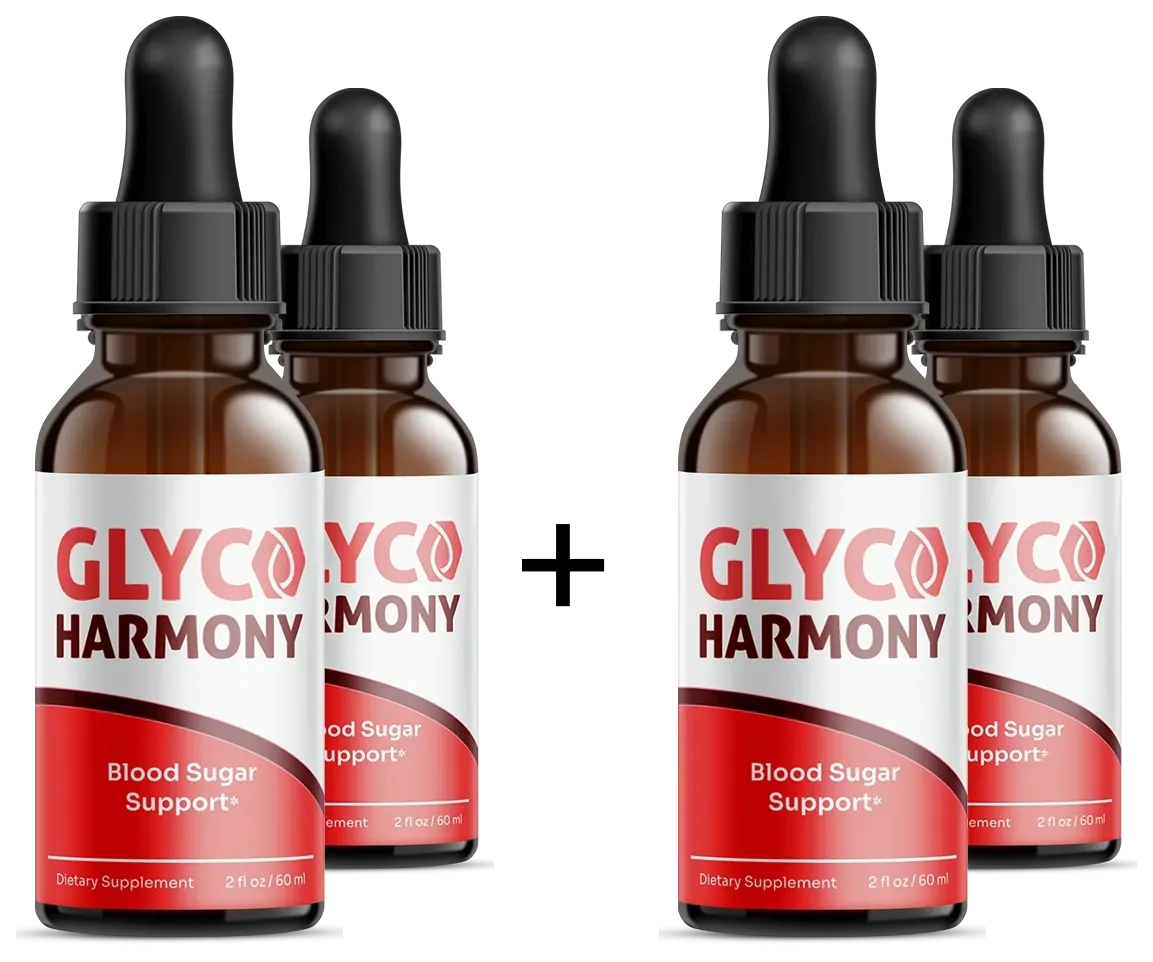
At 2 droppers a day, each 60 ml bottle of Glyco Harmony lasts 30 days. At 1 dropper a day, it lasts 60. Tap a pack below to see its daily cost at 2 droppers.
The 2-bottle pack adds shipping at checkout, so its true daily cost is a little higher. At 1 dropper a day, every figure halves. The pricing page shows each pack in full.
Point 8: Can you check it against your medicines?
People who care about blood sugar often take medicine already. A good label lets you check every ingredient with a pharmacist. Unknown amounts make that harder.
What to ask about
Ask whether any ingredient adds to glucose-lowering drugs, contains caffeine, affects blood pressure or changes how other drugs are cleared. For Glyco Harmony, that means gymnema, ginseng, guarana, grapefruit extract and a licorice compound (LiverTox, Gymnema) (NCCIH, Asian Ginseng). The side effects page lists each one.
Keep your medicine plan
Never stop or change diabetes medicine because you started a supplement. Talk to your doctor first and keep checking your blood sugar as advised.
How does Glyco Harmony score as a blood sugar supplement?
We sell Glyco Harmony, and we still score it only on what is published. Here is the same checklist applied to it, point by point.
| Checklist point | Score | What we found for Glyco Harmony |
|---|---|---|
| 1. Full amounts | 1 / 5 | Chromium 0.7 mcg is printed. The other 22 ingredients share a 200 mg blend with no individual amounts. |
| 2. Studied doses | 1 / 5 | Chromium is under 1% of the 200 mcg studied. The whole 200 mg blend is smaller than one 400 mg gymnema dose. |
| 3. Honest claims | 3 / 5 | The label says only "Blood Sugar Support*" with the FDA disclaimer. One bonus e-book is titled "Diabetes Freedom," which no product can deliver. |
| 4. Lab testing | 1 / 5 | Lot GLY-26/GL-4017 and CoA reference GLY-4017-26-GL are shown. No lab certificate is published. |
| 5. Authorized seller | 4 / 5 | Glycoharmonyglucose, the licensed U.S. retail desk, with a phone, an office and email. The maker is not named beyond the distributor. |
| 6. Refund policy | 4 / 5 | 60 days from purchase, a claim line and a returns address. The buyer pays return shipping. |
| 7. Price per day | 4 / 5 | Prices are printed per pack: about $1.23 a day on 8 bottles at 2 droppers. Per-bottle prices are rounded down on the info page. |
| 8. Medicine interactions | 2 / 5 | Every ingredient is named, so a pharmacist can check them. Caffeine and grapefruit amounts are not published. |
Where Glyco Harmony scores well
- Named seller you can call
- 60-day written refund policy
- Low daily cost on larger packs
- Label avoids disease claims
Where Glyco Harmony scores lower
- Blend amounts not published
- Doses far below study levels
- No lab certificate yet
- Buyer pays return shipping
What red flags mean you should walk away?
Some signs should stop a purchase on any product in this category. If you see one, walk away or check with a pharmacist first.
"Cures" or "reverses" diabetes
Supplements may not claim to treat or prevent any disease.
"Stop your medicine"
No honest seller tells you to quit a prescription.
Fast, drug-like drops in glucose
A sudden strong effect may point to a hidden drug.
No label or no company
No Supplement Facts panel, address or phone means no one to hold to account.
Miracle stories only
Reviews with no low scores and no source are hard to trust.
No refund details
A promise with no window or address is hard to use.
Glyco Harmony buyer's checklist FAQ
What should I look for in a blood sugar supplement?
Look for full amounts on the label, doses close to what studies used, no disease claims, a published lab report, a named seller, a written refund policy and a fair price per day.
Is a proprietary blend a red flag?
Not on its own. It is legal, and the ingredients must be listed in order of weight. It does hide each amount, so you cannot compare the formula with study doses.
Can a supplement claim to treat diabetes?
No. A product meant to treat or prevent diabetes is a drug under the law. The FDA and FTC have sent warning letters to companies that sold supplements with those claims.
Has Glyco Harmony published a lab certificate?
Not yet. The pack shows lot GLY-26/GL-4017 and a certificate reference, GLY-4017-26-GL. These are references only, and no lab certificate has been published.
What does Glyco Harmony cost per day?
At 2 droppers a day, about $1.23 on the 8-bottle pack, $1.48 on the 4-bottle pack and $2.63 plus shipping on the 2-bottle pack. At 1 dropper a day, each bottle lasts twice as long.
Who sells Glyco Harmony?
Glycoharmonyglucose is the licensed U.S. retail desk for Glyco Harmony. It is a retailer, not the manufacturer. The order desk is +1 (925) 231-0148.
Can I take Glyco Harmony with metformin or insulin?
Ask your doctor first. Gymnema and ginseng may add to glucose-lowering drugs. Keep checking your blood sugar as advised, and never change your medicine on your own.
Ready to try Glyco Harmony?
1 or 2 droppers a day, 60 ml per bottle, from $36 a bottle on the Buy 4 Get 4 pack with free US shipping, 6 bonus e-books on the larger packs and a 60-day money-back guarantee. Questions first? Call +1 (925) 231-0148.