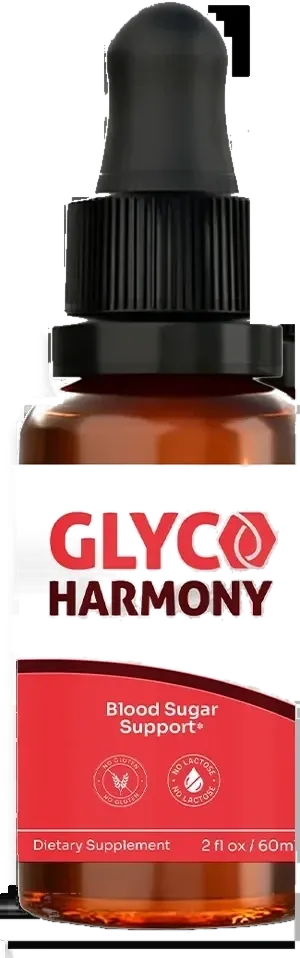
Gymnema and Chromium: What the Research Says, and What Glyco Harmony Contains
Quick answerGymnema trials used 400 to 600 mg a day and found a small drop in fasting glucose, about 5 mg/dL in pooled data. Chromium trials used 200 mcg or more. The Glyco Harmony label prints chromium at 0.7 mcg, and its gymnema can be at most 25 mg per dropper. The ADA does not recommend either for blood sugar.

What are gymnema and chromium?
Gymnema and chromium are the two ingredients most often linked to blood sugar on supplement labels. One is a leafy herb. The other is a trace mineral your body needs in tiny amounts.
Gymnema in brief
Gymnema sylvestre is a woody vine from India and Africa. People have long chewed its leaves, which briefly dull the taste of sweet foods. Supplements use a dried leaf extract.
Chromium in brief
Chromium is a mineral found in foods such as whole grains, meat and some vegetables. It is thought to help insulin work in the body. Adults need only 25 to 35 mcg a day (NIH ODS, Chromium).
What does the research say about gymnema?
Gymnema has a handful of human studies, most of them small. Together they point to a modest effect at doses of 400 to 600 mg a day. Here is what each one tested.
An early open study
In 1990, 22 people with type 2 diabetes took 400 mg of gymnema extract a day for 18 to 20 months, along with their usual drugs (Baskaran et al., 1990). Their blood sugar improved. There was no randomized control group, so the result is hard to judge.
A placebo-controlled trial
A 2021 trial gave 30 people with impaired glucose tolerance either gymnema or a placebo. The gymnema group took 300 mg twice a day. Their 2-hour glucose fell, and A1C went from 5.8% to 5.4% (Gaytán Martínez et al., 2021).
Pooled results
A 2023 analysis of 6 gymnema studies found fasting glucose about 5 mg/dL lower. It found no significant change in A1C (McKennon, Endotext 2024). LiverTox, an NIH resource, says effectiveness for diabetes has not been shown (LiverTox, Gymnema).
What the gymnema studies share
Most of the people studied already had diabetes or impaired glucose tolerance. The groups were small, and the longest study had no placebo. None of the trials tested a liquid drop or a multi-ingredient blend.
What does the research say about chromium?
Chromium has more trials than gymnema, but the results are mixed. The largest review found small gains in people who already had diabetes, at doses well above the daily need.
The 25-trial review
Researchers pooled 25 trials in people with diabetes. A1C fell by 0.55% and fasting glucose by 1.15 mmol/L. The benefit showed up mainly above 200 mcg a day (Suksomboon et al., 2014).
What the NIH adds
The NIH Office of Dietary Supplements calls the results mixed and of unclear clinical value. It also says chromium does not help glucose in people without diabetes (NIH ODS, Chromium).
Chromium picolinate
Picolinate is a common form of chromium in supplements, and it is the form printed on the Glyco Harmony label. The form matters less than the amount, which is covered next.
Read the Glyco Harmony label in full
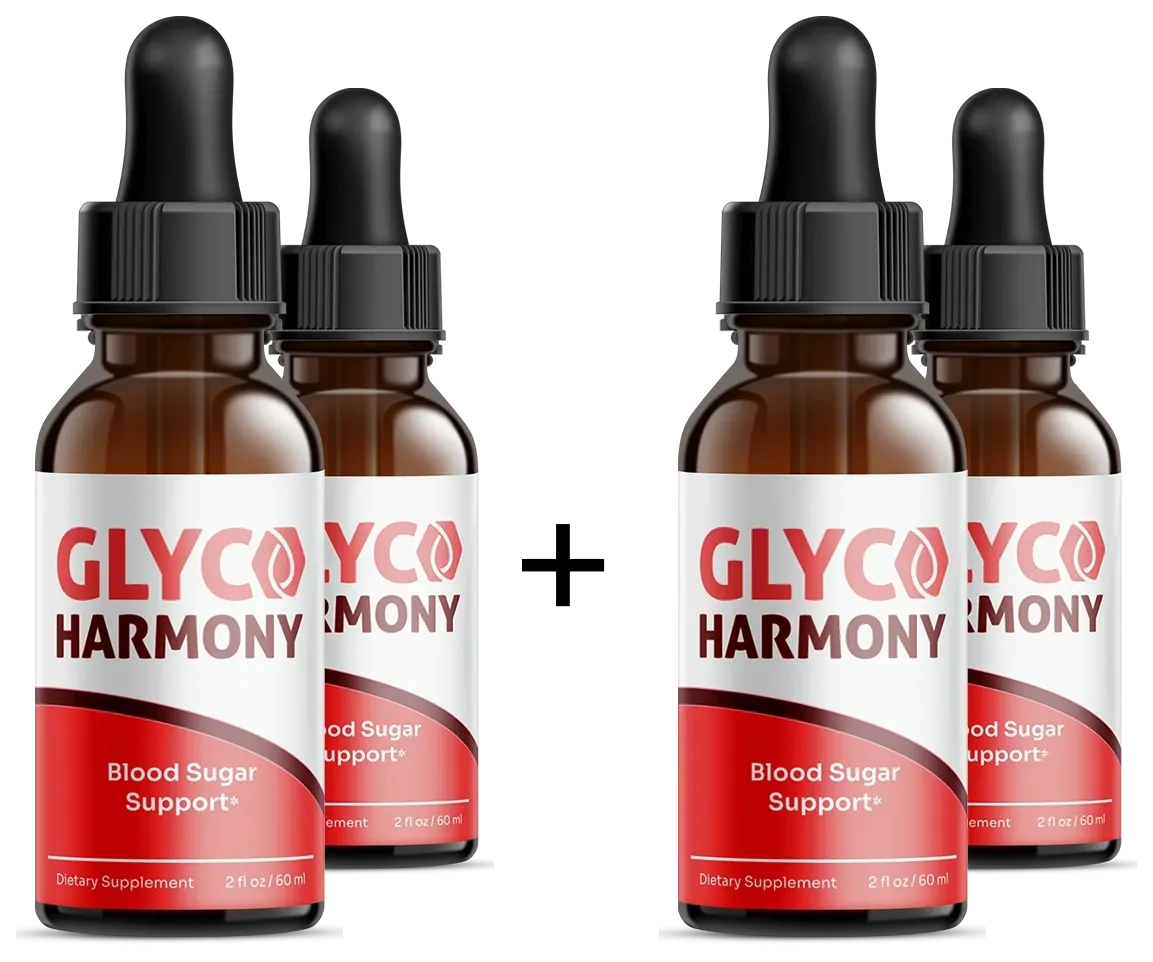
1 or 2 droppers a day, with chromium 0.7 mcg and a 200 mg blend that includes gymnema. Judge it for yourself inside the 60-day money-back window.
Why are gymnema and chromium often paired?
Gymnema and chromium show up together because both are linked to how the body handles sugar. Sellers like to pair a plant with a mineral. The pairing itself has not been tested as a formula.
Different roles, same topic
Chromium is a nutrient with a known daily need. Gymnema is a plant extract with no daily need at all. So a small chromium amount can still cover part of a daily need, while a small gymnema amount has no such baseline.
What a combined label should show
A clear label lists chromium in mcg and gymnema in mg. That lets you compare each one with its own study dose. On the Glyco Harmony label, only chromium has an amount, which is why the next section uses ceilings for gymnema.
How do study doses compare with the Glyco Harmony label?
The label amounts in Glyco Harmony sit far below the study doses. Chromium is printed at 0.7 mcg per dropper, which is 2% of the Daily Value. Gymnema has no printed amount, but its place in the blend sets a ceiling.
Gymnema is eighth in a 200 mg blend. Under the label rules, it can weigh no more than 200 ÷ 8, or 25 mg per dropper (21 CFR 101.36). The real amount is likely lower, because 21 other ingredients share the same 200 mg.
| Ingredient | Daily dose in studies | Glyco Harmony at 1 dropper | Glyco Harmony at 2 droppers | Share of the low study dose |
|---|---|---|---|---|
| Chromium | 200-1,000 mcg | 0.7 mcg | 1.4 mcg | Under 1% |
| Gymnema leaf extract | 400-600 mg | At most 25 mg | At most 50 mg | At most about 12% |
| Whole 200 mg blend | Not studied as a formula | 200 mg for 22 ingredients | 400 mg for 22 ingredients | Less than one gymnema dose |
A lower dose is not proof of no effect. It does mean the trials above did not test anything like this amount. Our post on reading a 200 mg proprietary blend works through every ceiling.
What about the other blood sugar ingredients in the blend?
Four other blend ingredients have some blood sugar research. As with gymnema, the studies used much larger amounts than a 200 mg blend can hold.
Green tea
17 trials using 208 to 1,207 mg of catechins a day found fasting glucose 0.09 mmol/L lower.
Panax ginseng
20 trials using 0.1 to 8 g a day, mostly root, found fasting glucose about 7 mg/dL lower.
African mango
One industry-funded trial used 300 mg a day. A later review called the effects unproven.
Maca
Studied at 1.5 to 3 g a day for desire in men. There is no human blood sugar evidence.
Sources: green tea (Liu et al., 2013), ginseng (Naseri et al., 2022), African mango (Onakpoya et al., 2013), maca (Gonzales et al., 2002). The ingredients page covers all 23 label ingredients.
What do the ADA and NCCIH conclude?
Health groups have looked at this research and stayed cautious. The American Diabetes Association does not recommend herbal or mineral supplements, chromium included, for blood sugar benefit unless you have a deficiency (ADA Standards of Care, 2025).
NCCIH says there is not enough evidence that any dietary supplement can help manage or prevent type 2 diabetes (NCCIH, type 2 diabetes digest). Food, activity, weight and medicine, when prescribed, remain the core of care. Our blood sugar guide covers those habits.
Are gymnema and chromium safe with diabetes medicine?
Gymnema is usually well tolerated, but it has two safety points. It may add to glucose-lowering drugs, and rare liver injury has been reported (LiverTox, Gymnema).
Chromium at normal amounts is low risk. The amount in Glyco Harmony is tiny next to the daily need. Other blend ingredients, such as guarana and a licorice compound, are covered on the side effects page.
Diabetes medicine
If you take insulin or a diabetes pill, talk to your doctor before adding any product with gymnema. Keep checking your blood sugar as advised and never change your medicine on your own.
How do you read gymnema and chromium on any label?
These steps work on any product that lists gymnema or chromium. They take a few minutes with the bottle in your hand.
Find the chromium line
Look for an amount in mcg and a % Daily Value. Compare it with the 200 mcg used in trials.
Look for a gymnema amount
A full label gives milligrams. If gymnema sits in a blend, work out its ceiling.
Check the plant part and extract
Leaf extract is the form most trials used.
Read the claims
Blood sugar support is allowed. Treat or cure claims are not.
For the Glyco Harmony dropper format, see our post on liquid drops vs capsules. For a full scoring method, use the buyer's checklist.
Gymnema and chromium FAQ
What is gymnema?
Gymnema sylvestre is a climbing plant from India and Africa. Its leaves have a long history in traditional medicine, and extracts are sold as supplements.
How much gymnema did studies use?
Most human studies used 400 to 600 mg of leaf extract a day. LiverTox lists a typical dose of 400 mg three times a day.
How much chromium do adults need?
Adults need 25 to 35 mcg a day, according to the NIH Office of Dietary Supplements. Most people get enough from food.
Does chromium lower blood sugar?
Results are mixed. A review of 25 trials in people with diabetes found small drops in A1C and fasting glucose, but the NIH calls the clinical value unclear. It does not help glucose in healthy people.
How much gymnema is in Glyco Harmony?
The amount is not published. Gymnema is eighth in a 200 mg blend, so it can be at most 25 mg per dropper, or 50 mg at 2 droppers.
Is gymnema safe with diabetes medicine?
It may add to the effect of glucose-lowering drugs. Talk to your doctor before you start, keep testing as advised and never change your medicine on your own.
Can gymnema harm the liver?
Rare cases of liver injury have been reported. Stop and call your doctor if you notice dark urine, yellow skin or eyes, or pain under the right ribs.