
Dr. Oz, Dr. Phil and Mark Cuban With Glyco Harmony: How to Check an Endorsement Claim
Quick answerWe found no endorsement of Glyco Harmony by Dr. Oz, Dr. Phil or Mark Cuban in the label, the brand info page or any source we use. The brand's page uses doctor images and quotes that no named person stands behind on record. Check any clip at its original source first.
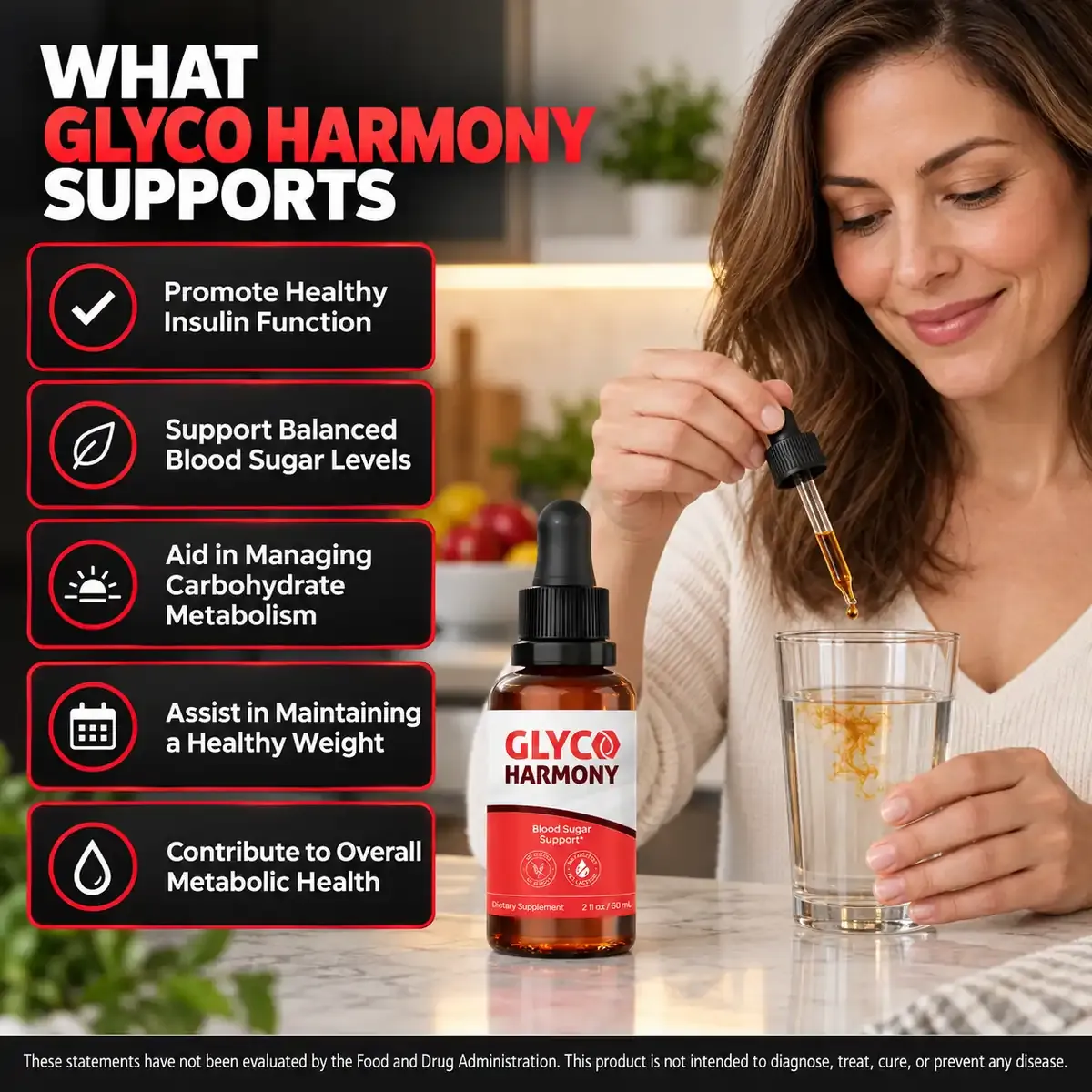
Key facts on endorsements
- No statement from Dr. Oz, Dr. Phil or Mark Cuban appears in the label, the brand info page or any source we use.
- The brand's sales page uses doctor images, expert-style quotes and media logos. No named, credentialed person stands behind them on record.
- The page's own disclaimer says testimonials may not reflect typical results and that some names and details have been changed.
- The one label claim is Blood Sugar Support*, followed by the FDA statement that it has not been evaluated.
- Third-party scam-alert pages list celebrity and doctor endorsements as a general red flag. Those pages are opinion, not proof.
Has Dr. Oz, Dr. Phil or Mark Cuban backed Glyco Harmony?
We cannot find any sign that they did. The sources we rely on are the printed label, the brand's info page and the retail records. None of them quotes, names or shows these three people.
That is a gap, and we call it one. An endorsement that nobody has published is not the same as a proven lie. It is simply not something we can confirm, so we do not repeat it.
If you came here after a video or an ad, the useful question is who made it. A claim that sits on a page with no named author, no date and no link back to the person is a claim you cannot check.
Why do famous names turn up beside supplements?
Names pull clicks. Searches such as "Glyco Harmony Dr. Oz" or "Glyco Harmony Mark Cuban" are common, and a page can mention a name just to catch them. We do not know who made any given ad, so we make no claim about their motives.
What we can say is that scam-alert sites list fake celebrity and doctor endorsements among the red flags of this kind of sales funnel. We read one such article. It was a generic template with no ingredient data, so we treat it as an opinion, not evidence about this product.
A real endorsement has a trail. It has a date, a channel the person controls and often a disclosure that they are paid. A fake one has a thumbnail and a story.
What does the brand's own page use in place of proof?
It uses images of doctors, short expert-style quotes and a row of media logos. It also has three testimonials. We did not copy any of them.
No named, credentialed person stands behind those items on record, so we could not tell what they claim or who stands behind them. The page also carries a line saying testimonials may not reflect typical results and that some names and details have been changed. That is the brand's own caution, and we pass it on.
Showing those items here would hint at an endorsement we cannot confirm. So this site cites NIH fact sheets and published studies instead, which you can read for yourself.
If you would rather judge the product by its label and guarantee than by a name, the order page shows both before you pay.
See today's price and guaranteeThis site earns money when you order through its links. How we earn.
How do you check an endorsement claim in seven steps?
1. Find the original
Search for the first place the clip or quote appeared. Reposts and screenshots do not count.
2. Check the channel
Is it an account the person actually runs? Look for a verified page or a link from their own site.
3. Check the date
Old clips are often reused beside new products.
4. Read the whole page
Look for fine print about paid promotion, changed names or edited footage.
5. Compare with the label
A real bottle says Blood Sugar Support*, not cure or reverse.
6. Check the seller
Does the order page name a business, a phone line and a refund policy?
7. Ask a professional
Show the label to your doctor or pharmacist. They know your medicines.
Two minutes on steps 1 and 2 will settle most cases. If you cannot get past step 1, treat the endorsement as unproven.
What does a video prove, and what does it not prove?
A video proves that someone said something on a screen. It does not prove the speaker is who the caption says, that they were speaking about this product or that the product does what is claimed.
| What you see | What it can show | What it cannot show |
|---|---|---|
| A famous name in a headline | Someone used the name | That the person approved the product |
| A short video clip | A clip exists | Where it came from, or when |
| A row of media logos | The logos were placed on a page | That any outlet reviewed the product |
| A testimonial | A statement was written | That it is typical, or even a real order |
Blood sugar claims need more care than most. The FDA and FTC have sent warning letters to sellers of supplements that claimed to treat diabetes (FDA and FTC, 2021). A supplement may not make that claim.
What should you check instead of a famous name?
Five checks beat any celebrity, and each is quick.
- The label. Chromium is the only printed amount, at 0.7 mcg. The other 22 ingredients sit in one 200 mg blend, with no amount for each.
- The FDA line. The product is not FDA approved, and no supplement is (FDA, Q&A on Dietary Supplements).
- The seller. A named retail desk with a phone line, at +1 (925) 231-0148.
- The guarantee. 60 days from purchase, claimed by phone, with return postage paid by you.
- Your doctor. Especially if you take diabetes medicine.
For the full label picture, see our Supplement Facts page and the about page, which explains why we leave doctor photos out.
Frequently asked questions
Did Dr. Oz endorse Glyco Harmony?
We found no statement from Dr. Oz in the label, the brand info page or any source we use. An endorsement is not published, so we do not repeat it.
Is there a Dr. Phil video about Glyco Harmony?
None that we can verify. If you see a video that says so, ask where it was first posted, by whom and when. A clip with no original source proves nothing.
Did Mark Cuban back Glyco Harmony?
No source we use says so. Treat any page that links his name to this product as an unverified claim until you can trace it to him.
Why does this site show no doctor photos?
The brand's page uses doctor images and expert-style quotes, but no named, credentialed person stands behind them on record. We skip them, so we do not hint at an endorsement.
Are the testimonials on the brand's sales page real?
They are marketing content. The page itself warns that testimonials may not reflect typical results and that some names and details have been changed.
What should I trust instead of a famous name?
The printed label, the amounts on it, a named seller you can phone, a written refund policy and your own doctor's advice.
Our view
A famous face is the cheapest kind of proof, and it is the easiest to fake or borrow. We would rather you leave this page knowing how to check than knowing what we think of any one person.
The facts we can offer are modest. The brand's page leans on doctor images, quotes and media logos that nobody can trace to a named person. The label itself makes one claim, Blood Sugar Support*, and it comes with the standard FDA statement.
Judge Glyco Harmony on what you can read, the label amounts and the guarantee, and on what your own doctor says. If a name is real, it will survive a minute of checking. If it does not, you have lost nothing by asking.
Medical note
Glyco Harmony is a dietary supplement. It is not FDA approved, and no supplement is. It does not diagnose, treat, cure or prevent any disease. If you have a medical condition or take medicine, ask your doctor or pharmacist first, and never change your medicine on your own.
If you judge by the label and the guarantee rather than a name, the order page shows pack prices and the 60 day terms before you pay.
See today's price and guaranteeThis site earns money when you order through its links. How we earn.